"At HUST, these six weeks taught me not only how to talk with AI through code, but also let me touch a real and warm China."
— A 2026 ODOS participant
2026 ODOS Summer Camp at HUST
The Program at a Glance
From March 22nd to May 3rd, 50 outstanding Thai youths spent six transformative weeks at Huazhong University of Science and Technology (HUST). Hosted by the School of Software Engineering(SSE), the 2026 Thailand ODOS Summer Camp blended cutting-edge technology, hands-on practice and deep cultural immersion.

This marked the second consecutive year that HUST has hosted this flagship China-Thailand youth exchange program, following the successful inaugural edition in 2025.
About ODOS
ODOS stands for Outstanding Development Opportunity Scholarship, a strategic education initiative launched by the Thai government. Organized by Thailand's Digital Economy Promotion Agency(DEPA), the program selects talented Thai youth for immersive tech training across nine countries, including China, the United States, Canada, the United Kingdom and Finland.
Building on the 2025 theme of "AI and the Metaverse", this year's edition adopted the theme "Empowering a Better Life with AI", carrying forward the momentum of the 50th anniversary of China-Thailand diplomatic relations and further elevating both curriculum depth and interactive engagement.
From Theory to Practice
The curriculum spanned 6 cutting-edge modules:
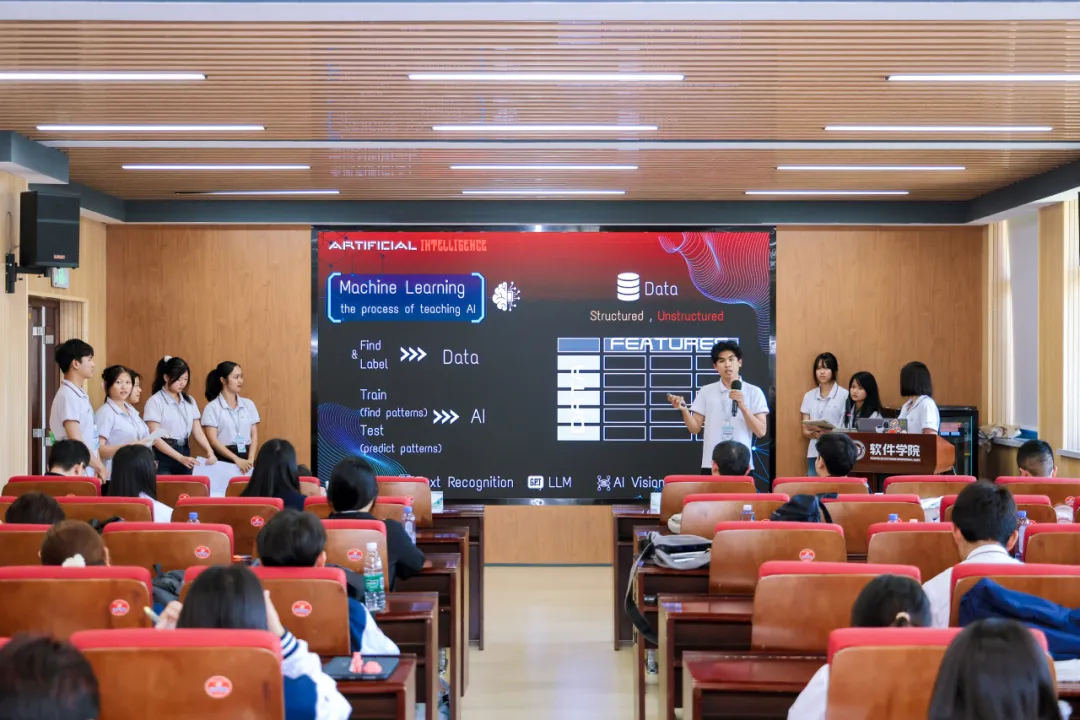
In the module of Artificial Intelligence, students explored how large language models work and their limitations before diving into Python-powered labs. They used live LLM APIs for prompt engineering, processed real datasets with the Pandas, and deployed pre-trained TensorFlow models for image classification, turning abstract algorithms into tangible skills at their fingertips.
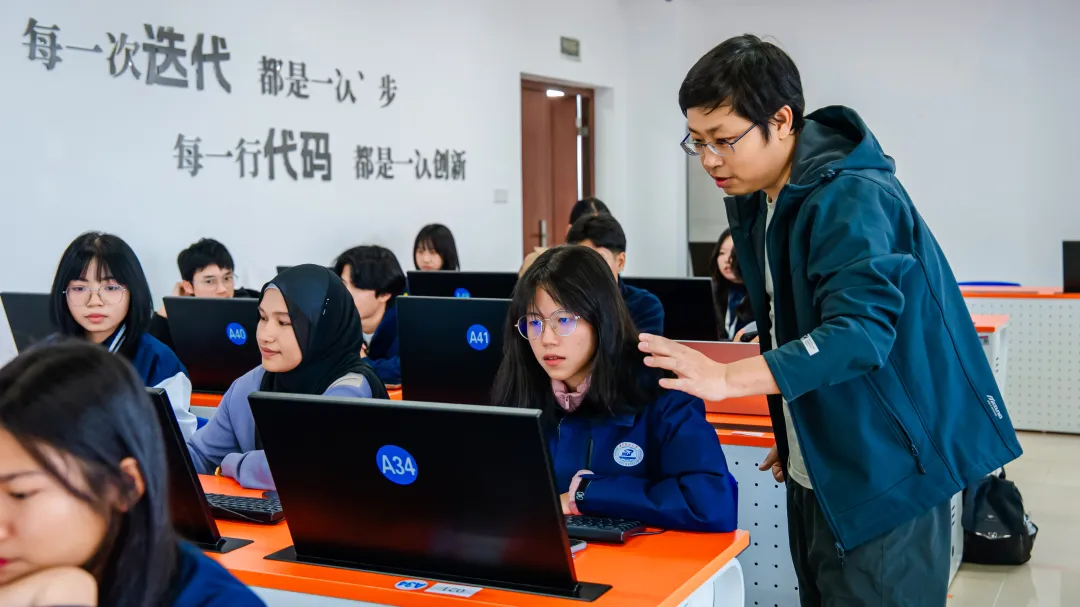
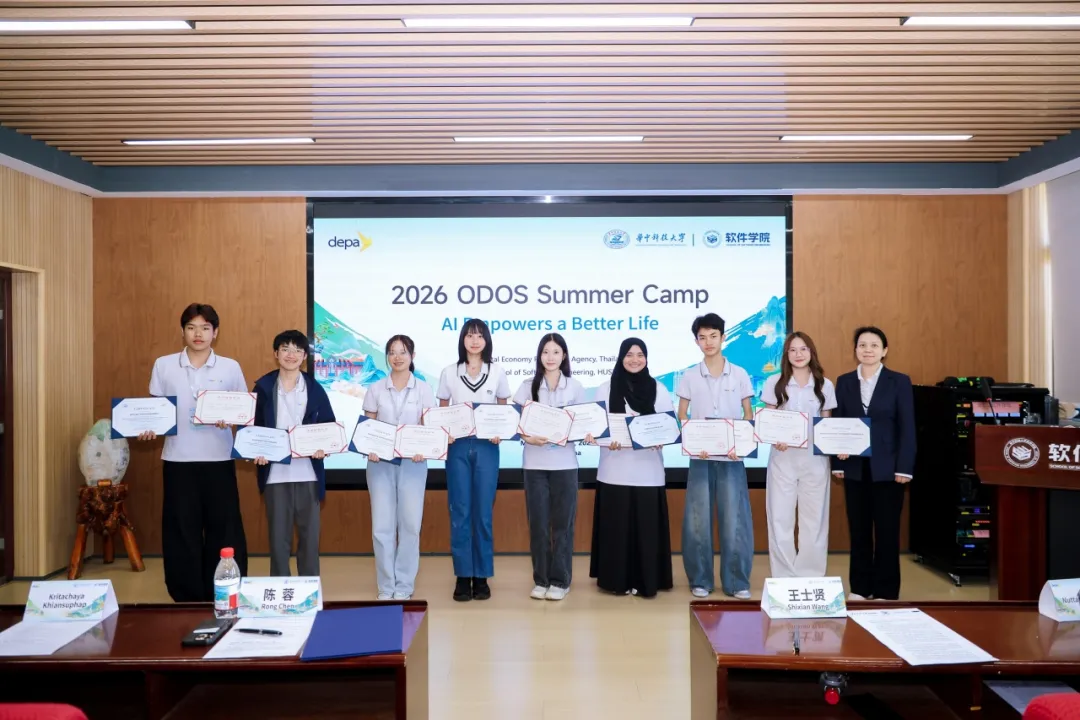
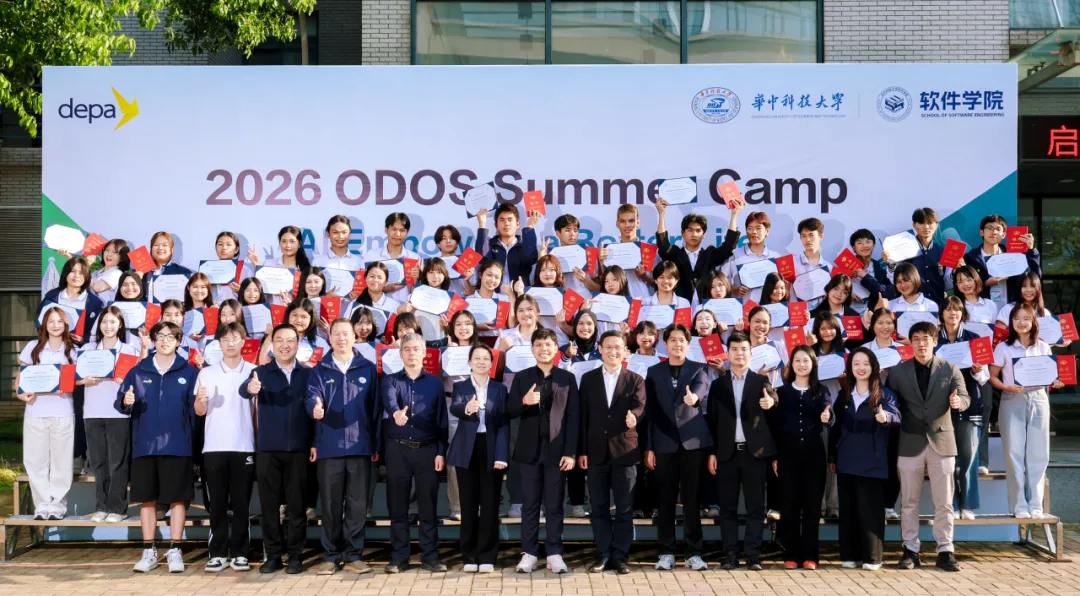
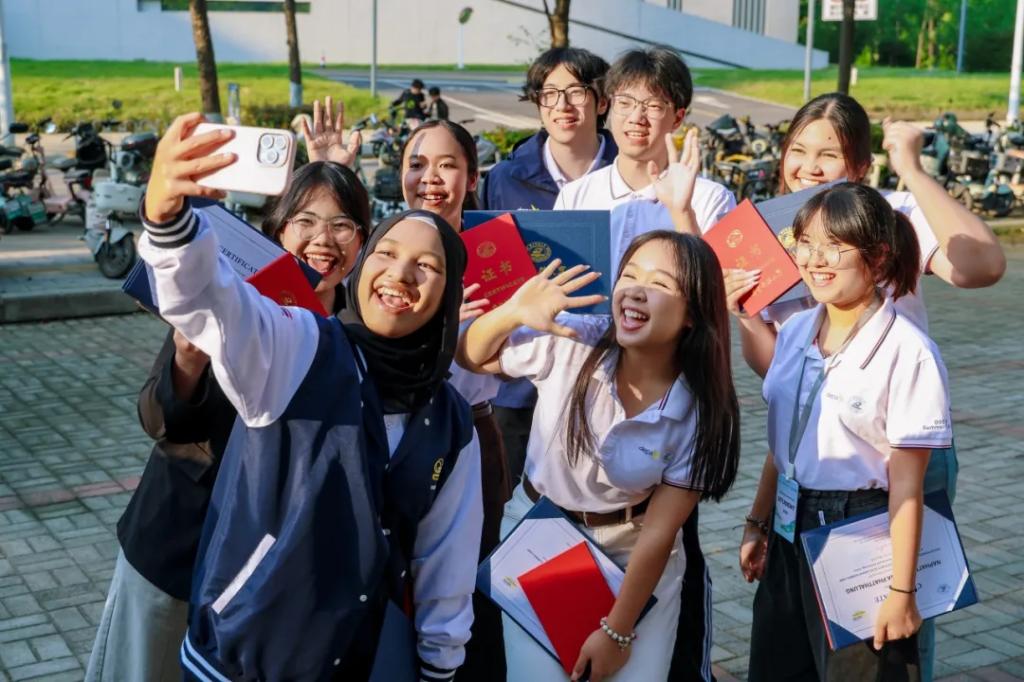
In the module of Data Science & Visualization, students mastered the complete data pipeline, from data cleaning and transformation to classification and clustering.
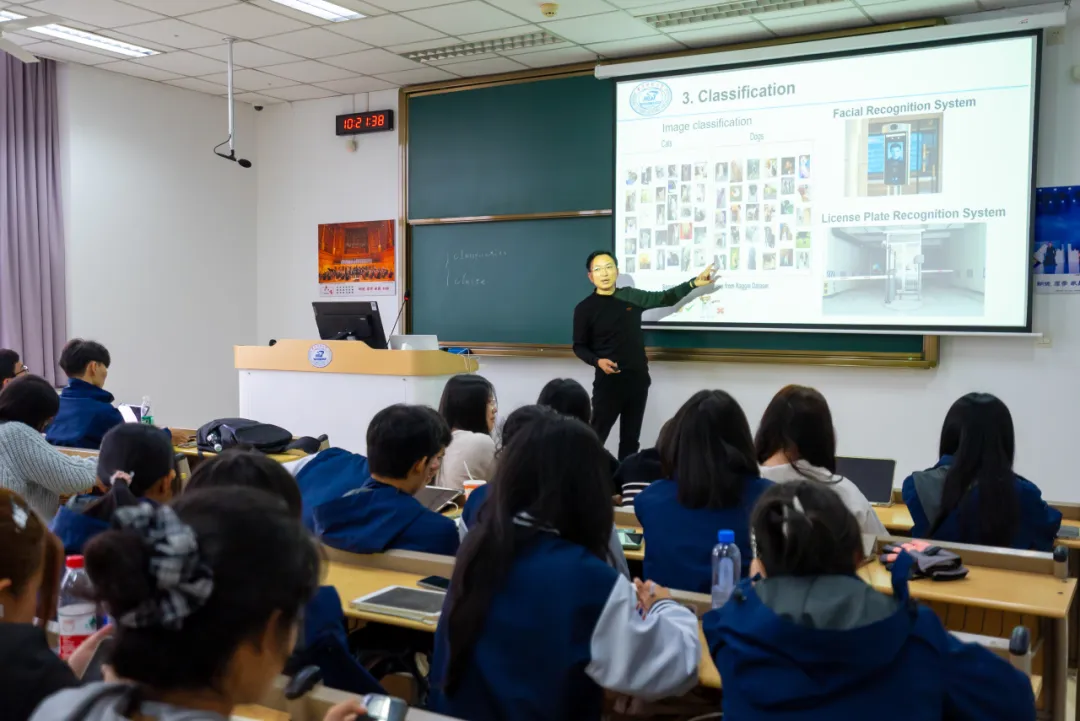
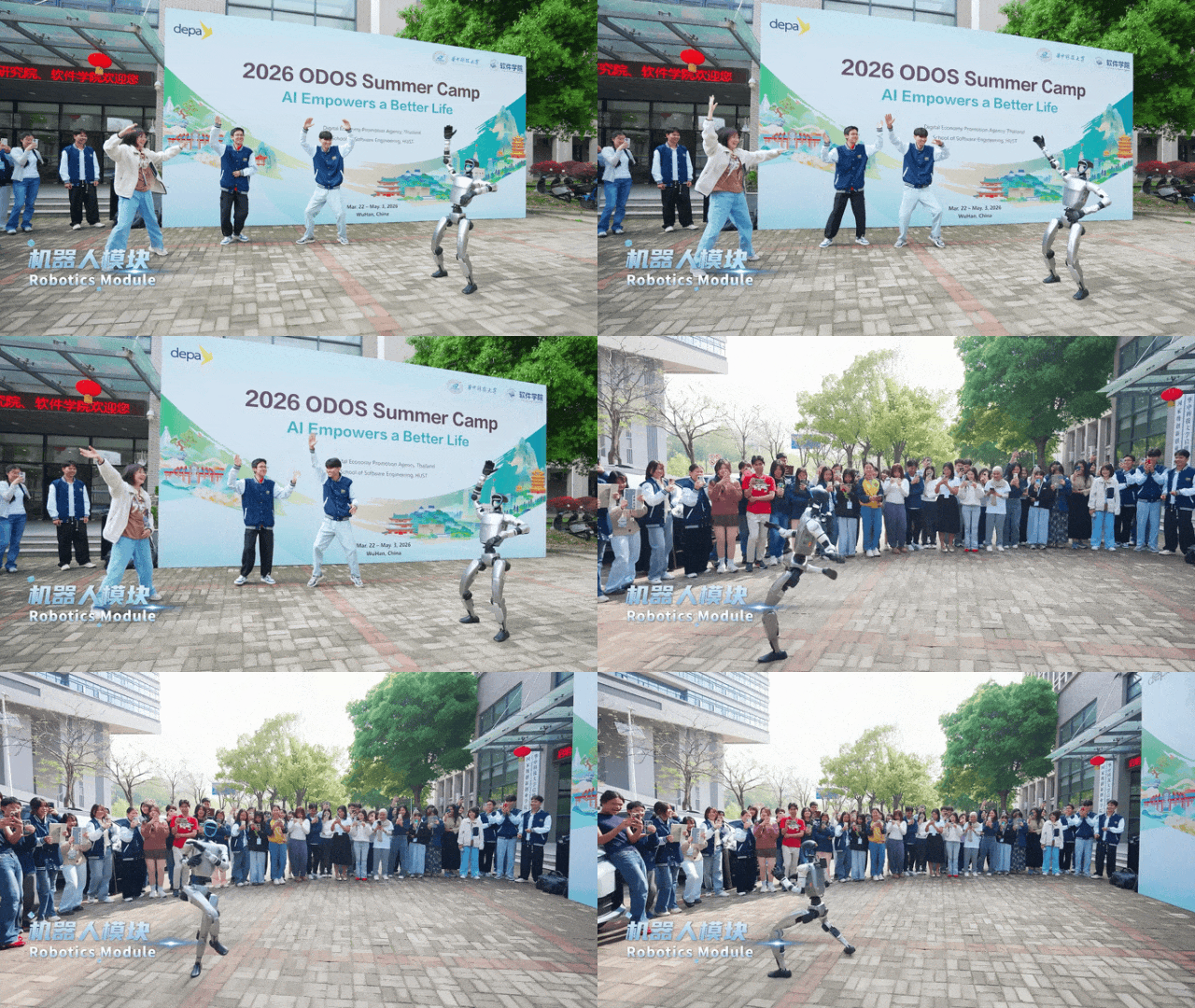
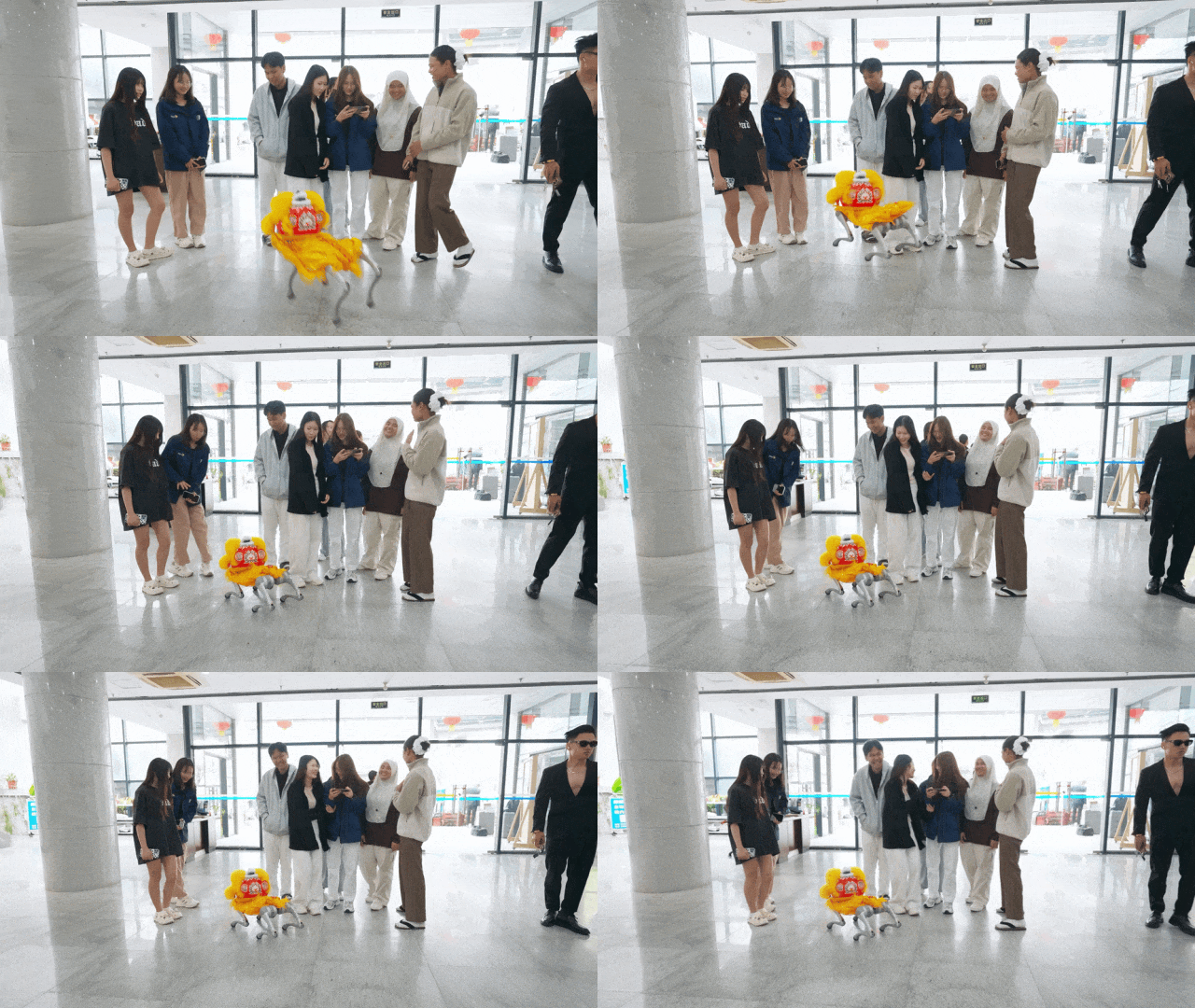
In the module of Robotics, students progressed from foundational knowledge to high-impact industry applications, including automotive Industry 4.0 collaborative manufacturing, cutting-edge medical robotics, and AI-driven smart warehousing systems.
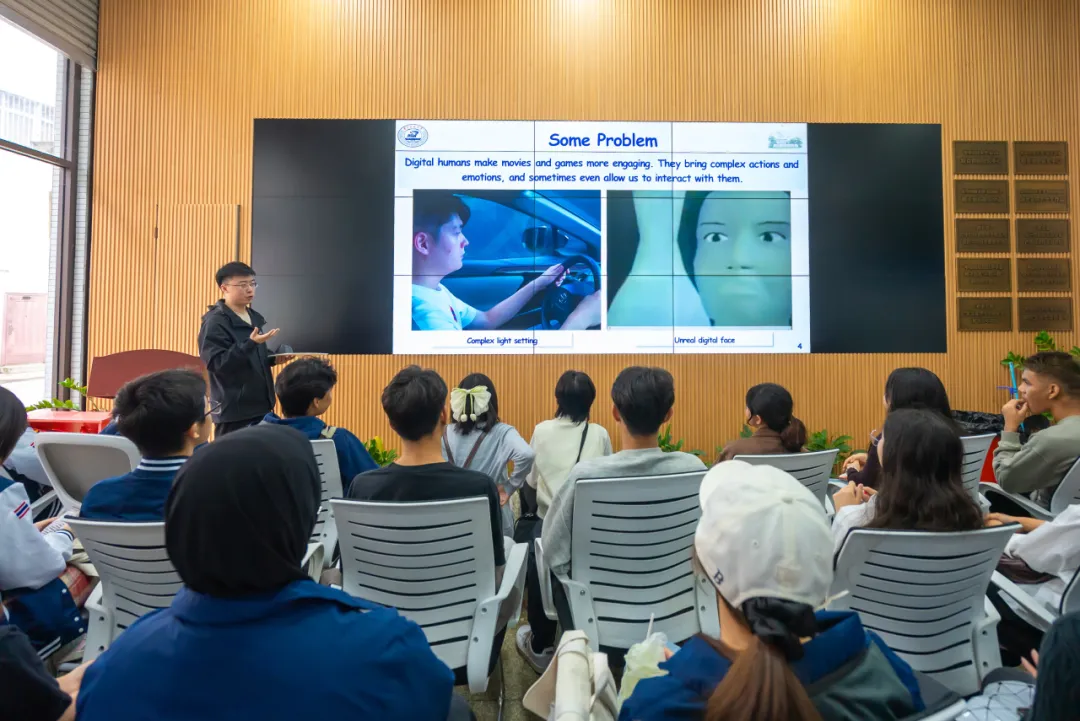
In the modules of Virtual Reality and Image Processing, from setting up Unity VR development environments to optimizing 3D assets, from digital image enhancement to Python-based image processing, students freely navigated the intersection between the virtual and the real.
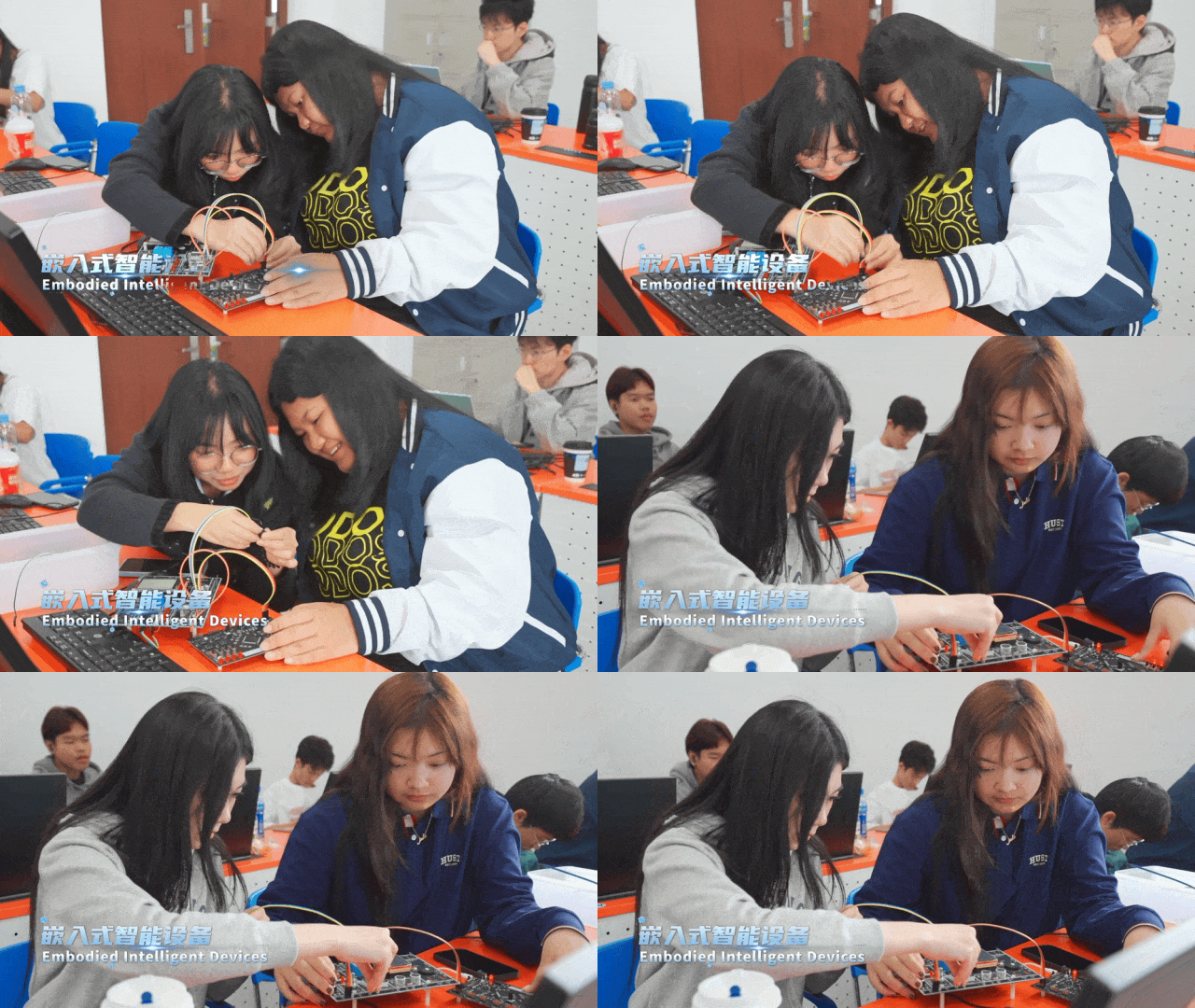
The newly introduced module of Embedded Smart Devices brought hardware-software co-design to life. Students gained hands-on experience in programming control, sensor applications, and smart car development.
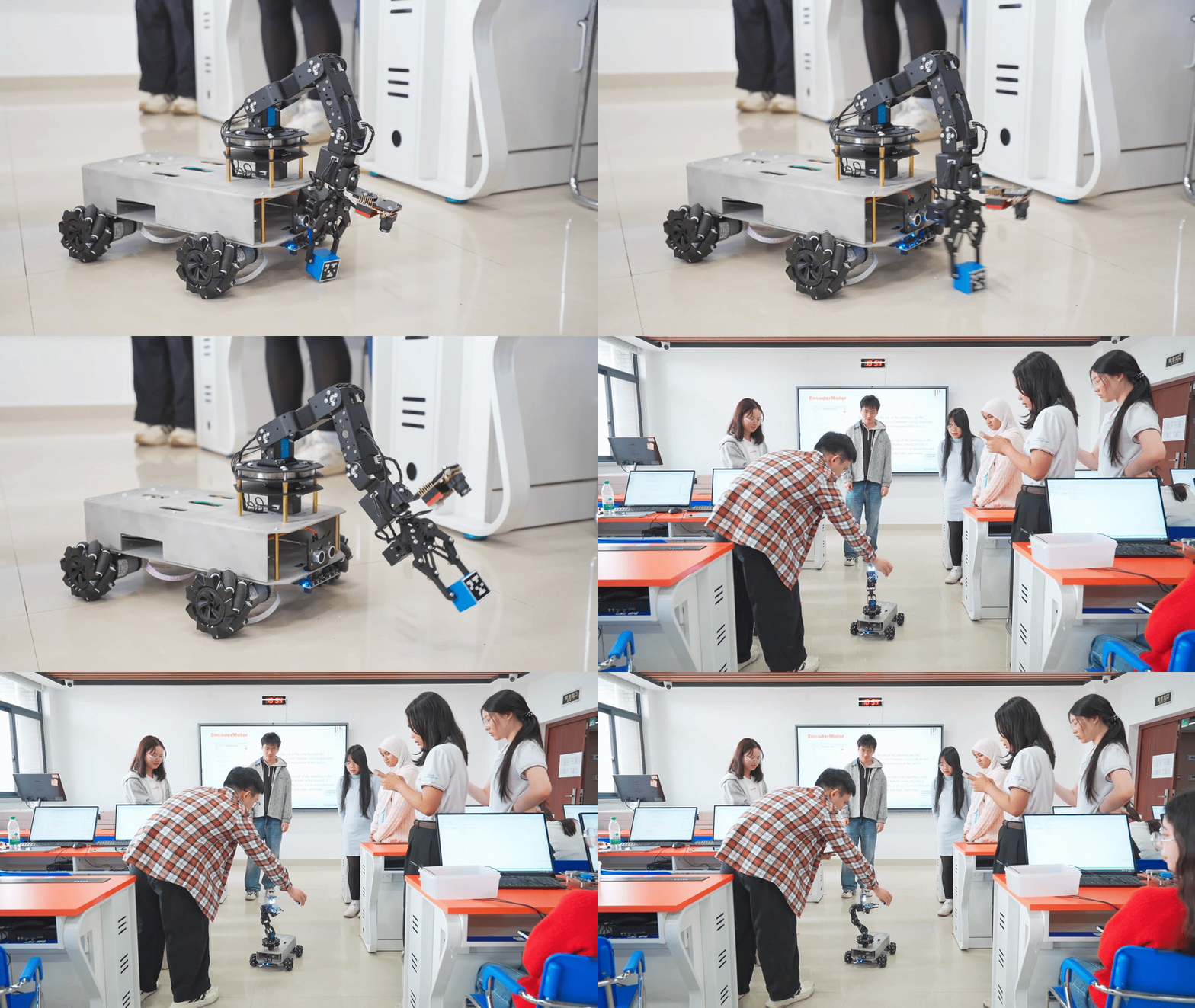
Besides coding and hardware, students delivered an AI-themed debate with HUST students on hot-button topics like technology ethics and the future of work. This new addition showcased the international vision and critical thinking of a new generation.
Beyond the Classroom
Chinese Language & Traditions
Students immersed themselves in Chinese culture through:
Beginner Chinese language classes
Traditional tea ceremonies
Calligraphy on folding fans
Intricate paper-cutting workshops
Industry Visits: Tech in Action
Students witnessed how cutting-edge technology moves from lab to real-world application at:
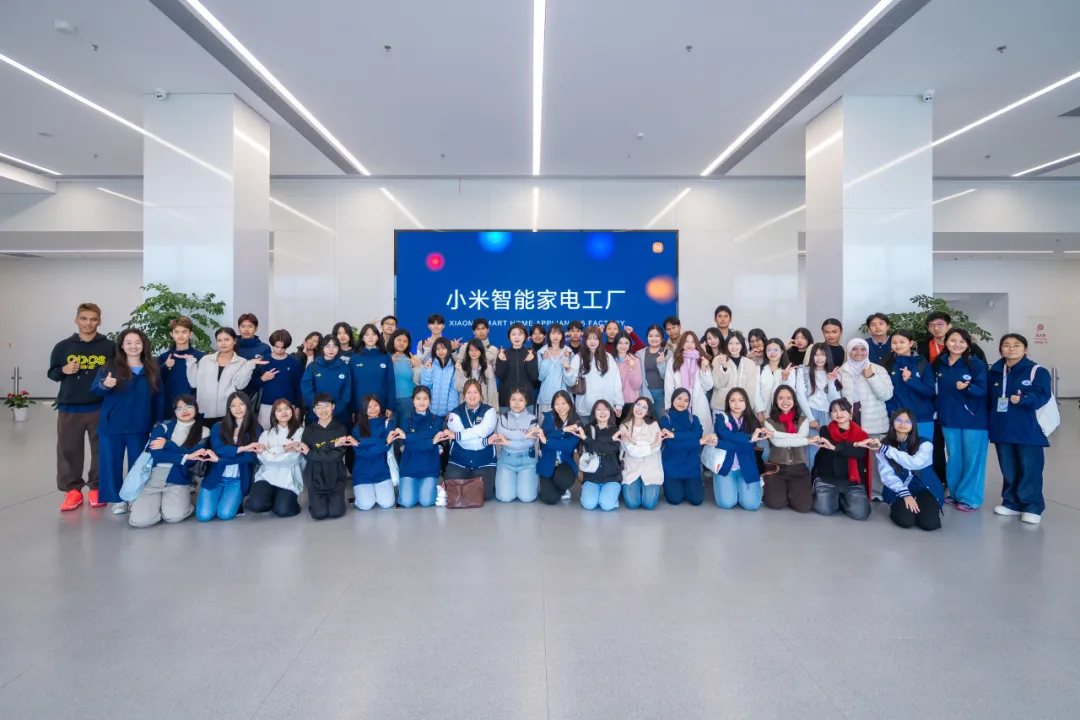
Tech giants: Huawei, Xiaomi, and vivo
Manufacturing: Dongfeng Motor
Robotics: Hubei Humanoid Robotics Innovation Center
Innovation: HUST's Center for Practice Innovations (CPI)
Cultural excursions brought history and modernity to life:
These experiences merged technology and tradition into unforgettable memories.
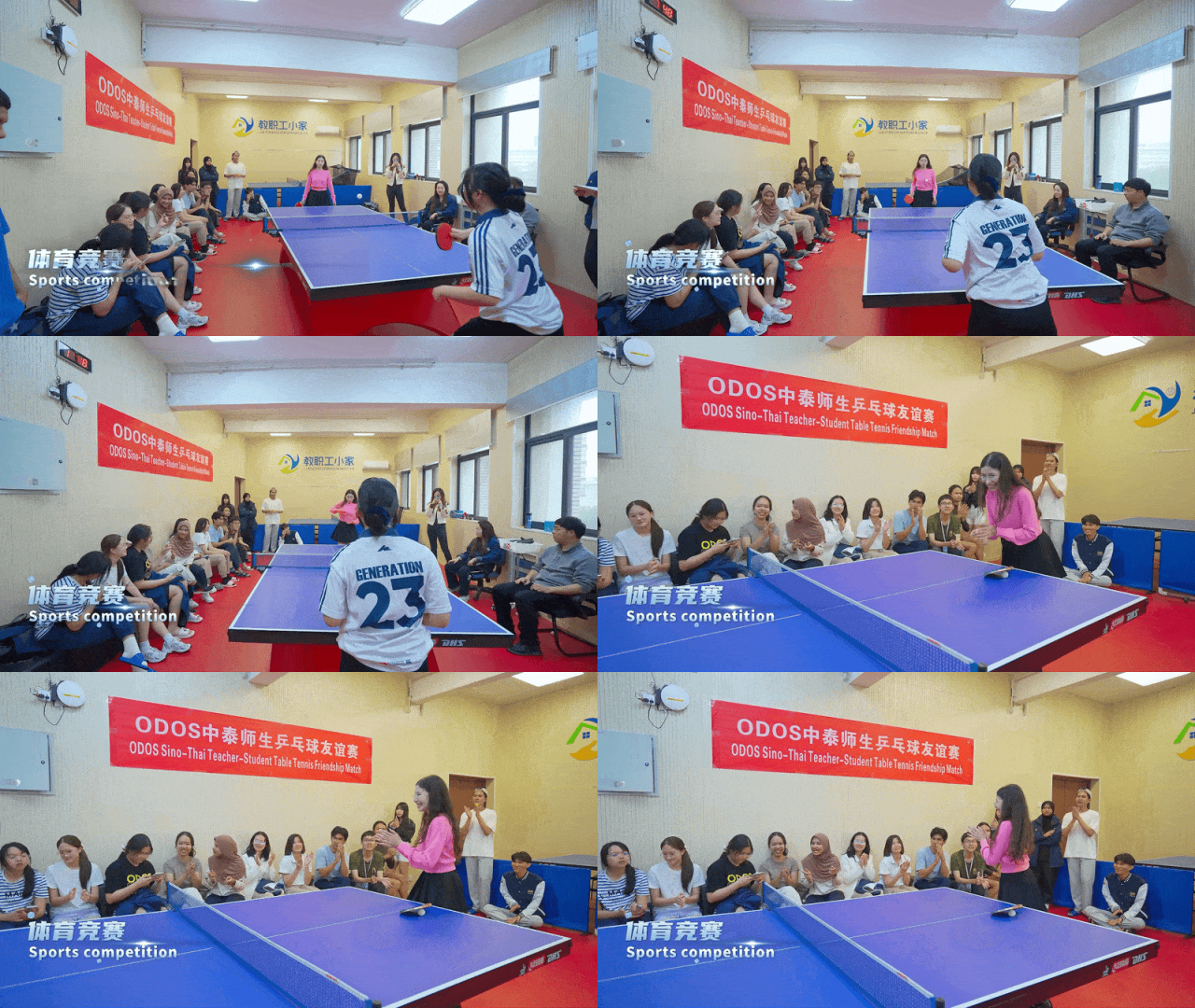
Also, weekend ping-pong matches between Thai and Chinese students turned friendly competition into lasting bonds.
Voice from the Camp
Mr. Nuttawut Morakot, DEPA's Digital Agriculture Chief, praised the camp's alignment with Thailand's growing need for digital talent, and expressed optimism for deeper future cooperation between the two nations.
Prof. Chen Rong, Dean of the School of International Education, highlighted the camp's role in advancing China-Thailand digital education fusion and youth cultural exchange.
Mr. Wang Shixian, Chair of the School of Software Engineering, described the program as a journey of dual growth in technology and culture. He encouraged students to apply their learning to Thailand's digital development and warmly welcomed more students to pursue further studies at HUST.
”Digital Footprints“ in Thailand
In January 2026, the "Digital Footprints: My Six-Week Journey at HUST" photo exhibition opened at Bangkok's ICONSIAM, showcasing 43 works documenting the 2025 ODOS participants' experiences at HUST, providing that cross-border exchange extends far beyond the classroom.
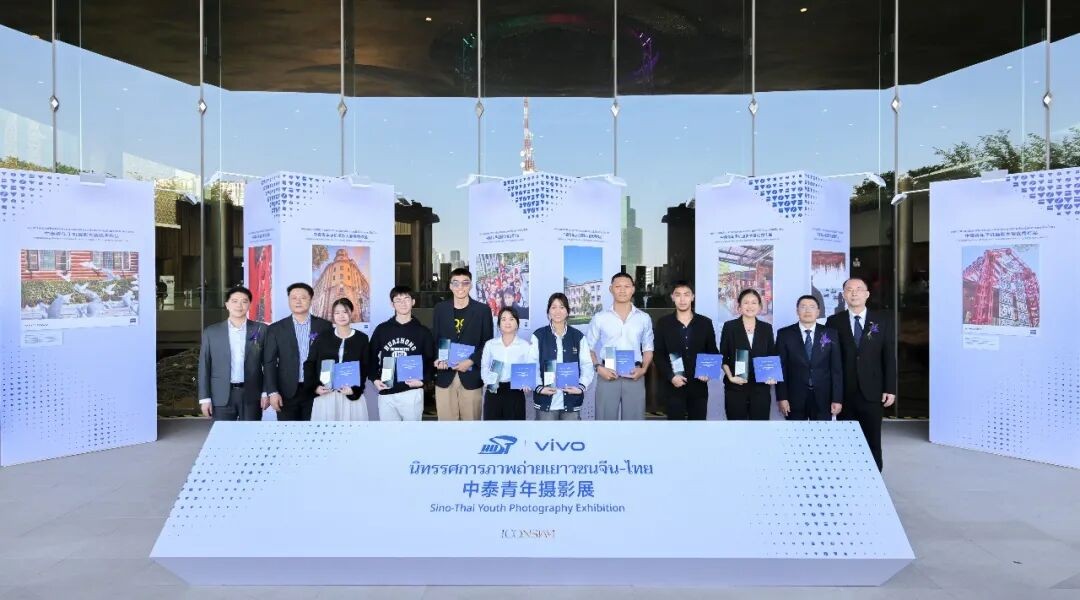
As the 2026 edition approached, the exhibition served as a powerful inspiration, encouraging more Thai youth to embark on their own journeys of technological and cultural discovery in China.
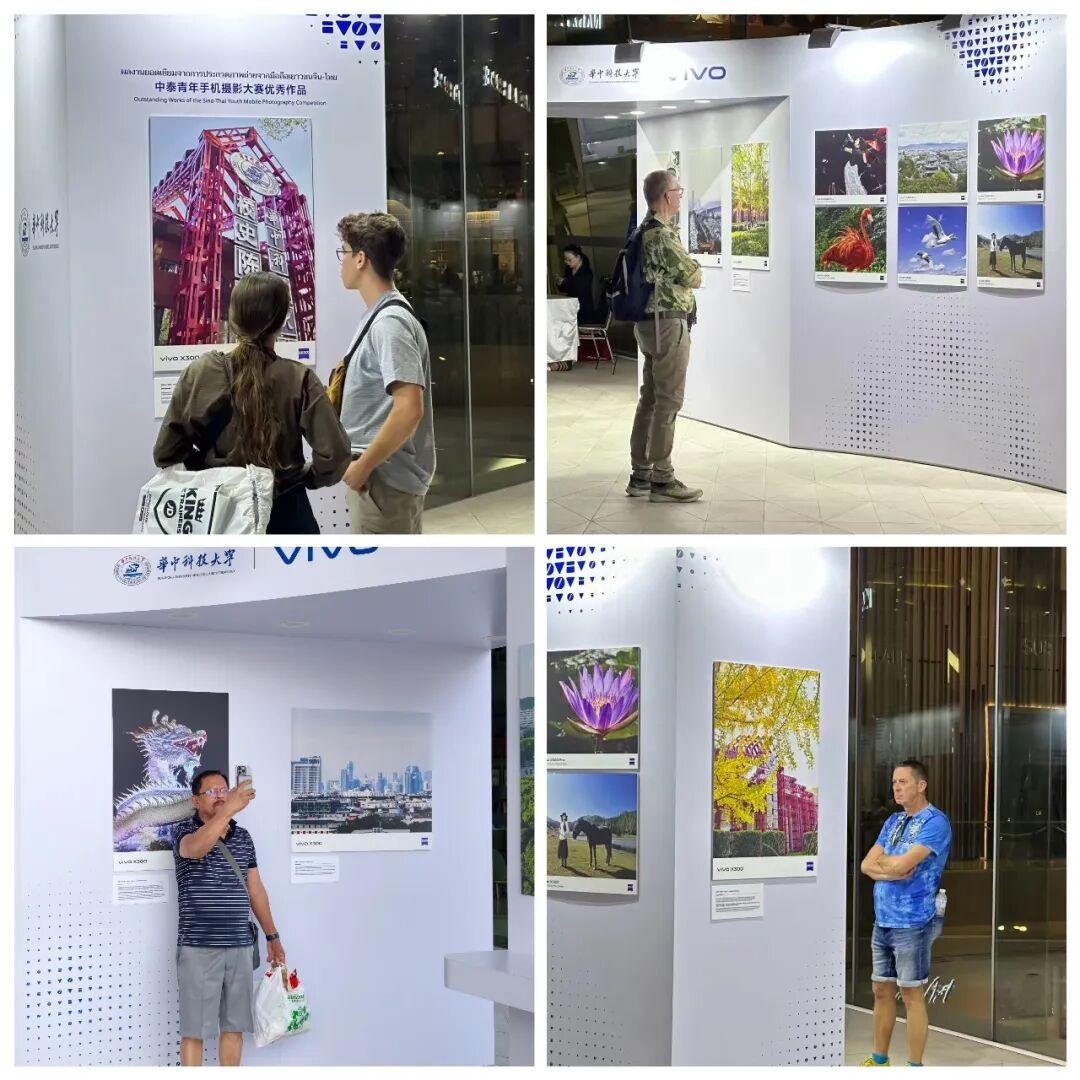
From AI labs to tea ceremonies, from TensorFlow models to the Three Gorges Dam, the 2026 Thailand ODOS Summer Camp proved that the best education happens when technology and culture grow together.
As these 50 young talents return home, they carry with them not just new skills but a deeper understanding of China, and a bridge between two nations that will only grow stronger.
Source
School of Sofeware Engineering, HUST
HUST Media Center
ihuster
Editor
Jiajia XUE